














Practical online IELTS & PTE prep for students, professionals and migrants β€” your target score for study, work and migration to New Zealand & Australia

One score decides your future abroad. We make sure you clear it.

πŸ“ž Call 91154-20018 Book Your Free Demo
Study abroad with Kiwi Language Academy β€” IELTS, PTE, German and more

Every route, one portal

12 programmes under Kiwi Language Academy

3D programme showcase3D programme showcase
πŸ‡¬πŸ‡§ Most popular

IELTS Plus

Academic & General Training β€” band-by-band coaching across all four skills.

πŸ’¬ WhatsApp to Enrol
πŸ‡¦πŸ‡Ί

PTE Academic

AI-scored computer test accepted for visas and university admissions worldwide β€” results in 48 hours.

πŸ’¬ WhatsApp to Enrol
πŸ‡ΊπŸ‡Έ

TOEFL iBT

Accepted by 11,500+ universities across North America and beyond.

πŸ’¬ WhatsApp to Enrol
πŸ¦‰

Duolingo English Test

Fast, affordable, accepted by 5,000+ institutions worldwide.

πŸ’¬ WhatsApp to Enrol
πŸ‡©πŸ‡ͺ

German Language

A1–C1 β€” for study visas, blocked accounts and work permits in Germany.

πŸ’¬ WhatsApp to Enrol
πŸ‡«πŸ‡·

French β€” A1 Level

Beginner French β€” opens immigration, work and bonus-points pathways in French-speaking countries.

πŸ’¬ WhatsApp to Enrol
πŸ‡―πŸ‡΅

Japanese Language

Conversational Japanese with JLPT preparation for study and skilled-worker visas.

πŸ’¬ WhatsApp to Enrol
πŸŽ“

GRE

Quant, Verbal and Analytical Writing β€” for postgraduate study abroad.

πŸ’¬ WhatsApp to Enrol
πŸ’Ό

GMAT

Data Sufficiency, Critical Reasoning and Integrated Reasoning for MBA programmes.

πŸ’¬ WhatsApp to Enrol
πŸ“

SAT

Digital SAT prep β€” Reading & Writing plus Math, with full-length timed mocks.

πŸ’¬ WhatsApp to Enrol
πŸš› New

English for Drivers

Beginner spoken English to visa-ready PTE/IELTS β€” for truck, taxi & heavy-vehicle drivers.

πŸ’¬ WhatsApp to Enrol
✈️

Visa + University Placement

SOP writing, university shortlisting and visa interview prep β€” end-to-end support.

πŸ’¬ WhatsApp to Consult

All programmes taught entirely under the Kiwi Language Academy brand β€” no third-party branding shown to students.

Know before you sit down

How each test actually works

Real section timings, question counts and scoring β€” the same format our trainers coach you through in class. Tap any test to open it.

πŸ‡¬πŸ‡§IELTS Academic β€” how it works+

Four skills, tested back to back, then scored independently and averaged. Speaking is a short face-to-face conversation with a trained examiner, usually scheduled within a week of the written papers.

Listening30 min Β· 40 Q
Reading60 min Β· 40 Q
Writing60 min Β· 2 tasks
Speaking11–14 min

Each section is scored on a 0–9 band. Your overall band is the average of all four, rounded to the nearest half-band β€” so 6.5 + 6.5 + 6.0 + 7.0 averages out to an overall 6.5.

πŸ‡¦πŸ‡ΊPTE Academic β€” how it works+

A single sitting on a computer, split into three parts. Every response β€” spoken or written β€” is scored by AI against the same rubric every time, which is why results land in your inbox within days, not weeks.

Speaking & Writing76–84 min
Reading23–30 min
Listening31–39 min
Total time~2 hours

Scored on the Global Scale of English, 10–90. You get one overall score plus separate scores for speaking, writing, reading and listening. Results typically arrive within 48 hours.

πŸ‡ΊπŸ‡ΈTOEFL iBT β€” how it works+

TOEFL moved to a shorter, more practical format from January 2026 β€” about 90 minutes end to end, mixing academic material with everyday scenarios like emails and casual conversations.

Reading~30 min Β· 50 items
Listening~29 min Β· 47 items
Writing~23 min Β· 12 items
Speaking~8 min Β· 11 items

Each section is scored on a 1–6 scale; your overall score is the average of all four, rounded to the nearest half band. A comparable 0–120 score is also shown during the current transition period.

πŸ¦‰Duolingo English Test β€” how it works+

A fully online, adaptive test you can take from home whenever you're ready. The difficulty adjusts in real time as you answer, and it finishes with a short video interview and writing sample for human review.

FormatComputer-adaptive
WhereOnline, on-demand
Results~2 days
RetakesAnytime

Scored on a 10–160 scale β€” most institutions treat 120+ as proficient. We'll show you exactly how your target score maps against IELTS and TOEFL bands.

πŸ‡©πŸ‡ͺGerman Language (A1–C1) β€” how it works+

Every Goethe-certified level β€” from absolute beginner A1 to advanced C1 β€” is tested the same way: four independent modules. You only need to retake a module you fail, not the whole exam.

Lesen (Reading)up to 65 min
HΓΆren (Listening)up to 40 min
Schreiben (Writing)up to 60 min
Sprechen (Speaking)~15 min

Each module is scored out of 100, and you need at least 60% in every module to pass β€” timings shown are for B1; earlier levels (A1/A2) run shorter. This is the certificate blocked accounts, study visas and work permits ask for.

πŸ‡«πŸ‡·French A1 β€” how it works+

The DELF A1 is the internationally recognised starting point for French β€” a short, beginner-friendly paper that opens immigration and bonus-points pathways in French-speaking countries.

Listening15 min Β· /25
Reading30 min Β· /25
Writing30 min Β· /25
Speaking5–7 min + 10 min prep Β· /25

Scored out of 100 total. You need 50% overall, with a minimum of 5/25 in each section β€” no single skill can be ignored.

πŸ‡―πŸ‡΅Japanese Language (JLPT) β€” how it works+

We take beginners through N5 and N4 β€” the entry levels of the JLPT. Both are all multiple-choice, with no speaking or writing component, so the focus is vocabulary, grammar and listening accuracy.

N5 total time105 min
N4 total time125 min
SectionsVocab Β· Grammar+Reading Β· Listening
Marksout of 180

You must clear the overall pass mark (80 for N5, 90 for N4) and a minimum score in every section β€” a strong total can't cover for one weak section.

πŸŽ“GRE β€” how it works+

Five sections in one sitting, just under two hours. Analytical Writing always comes first; the two Verbal and two Quant sections follow, with the second Verbal/Quant section's difficulty shaped by how you did on the first.

Analytical Writing30 min Β· 1 essay
Verbal (x2)18+23 min Β· 27 Q
Quant (x2)21+26 min Β· 27 Q
Total time~1h 58m

Verbal and Quant are each scored 130–170; Analytical Writing is scored 0–6. The test is section-level adaptive, not question-by-question.

πŸ’ΌGMAT Focus Edition β€” how it works+

The current GMAT is noticeably shorter than the classic version β€” three 45-minute sections back to back, with one optional 10-minute break.

Quantitative Reasoning45 min Β· 21 Q
Verbal Reasoning45 min Β· 23 Q
Data Insights45 min Β· 20 Q
Total time2h 15m

Scored on a 205–805 scale β€” a deliberately different range from the old 200–800 scale, so scores from the two versions aren't directly comparable.

πŸ“Digital SAT β€” how it works+

Fully computer-delivered and module-adaptive: how you do on the first module of a section decides whether the second module is easier or harder β€” which is also how your final score gets calculated.

Reading & Writing2 modules Β· 32 min each
Math2 modules Β· 35 min each
Total time2h 14m
FormatModule-adaptive

Scored on the familiar 400–1600 scale. Because difficulty adapts after module 1, two students answering the same number of questions correctly can land different scores.

The Kiwi story

A classroom without walls. A standard without compromise.

Kiwi Language Academy is fully online β€” deliberately, not by default. A student in the smallest Punjab village gets the very same trainer, the same capped batch and the same attention as a student in the biggest city.

3D online classroom3D online classroom

Founder Harjinder Singh Maan spent fifteen years inside the immigration and coaching industry watching the same failure repeat itself: capable students losing years β€” not for lack of ability, but because coaching had become a volume business of oversized batches and indifferent teaching, with small-town students shut out altogether.

His answer was to remove both barriers at once. Build it entirely online, so location stops mattering. Cap every batch, so attention starts mattering again. To hold the teaching standard, he brought in Sukhjit Singh as Co-Founder and Head of Training β€” every student is taught to their own starting point and their own target, never a common syllabus that suits nobody.

Most students don't fail the exam β€” they fail the preparation. Institutes elsewhere are built for those who already know English; we specialise in those who don't, rebuilding grammar, vocabulary and confidence from the foundation up, and treating confidence itself as a skill we teach β€” with a method behind it, not a slogan.

We built Kiwi for genuine beginners from Punjabi- and Hindi-medium backgrounds, repeat attempters stuck at 5.5 or 6.0, students in villages and small towns, applicants racing a visa deadline, working professionals who need flexible timings, and anyone preparing for Germany and Europe.

Harjinder Singh Maan, Founder of Kiwi Language Academy

Harjinder Singh Maan

Founder

Fifteen years in the immigration and coaching industry, with a clear line of sight from a student's first class to the visa decision. He knows what universities expect and what visa officers scrutinise β€” and built Kiwi to close that gap for good.

Sukhjit Singh, Co-Founder and Head of Training at Kiwi Language Academy

Sukhjit Singh

Co-Founder & Head of Training

An IDP-certified IELTS trainer with fifteen years of teaching and 8,000+ students taught. His reputation was built in a small village institute students travelled across Punjab to reach β€” because the teaching was worth the journey. That same teaching is now live online, for anyone, anywhere.

8,000+ Students Taught 15 Years Teaching Experience 15 Years Industry Expertise IDP-Certified Trainer 100% Online β€” Zero Location Barrier

Judge us by one class.

Book a free online level assessment and demo class. We'll show you exactly where you stand and how long it will realistically take to reach your target β€” before you pay anything. Founders who are reachable, directly involved in the teaching, and honest enough to tell you when a target needs more time.

Book My Free Assessment Call/WhatsApp 91154-20018
3D flagship programmes3D flagship programmes
Priority Boarding Β· Our Three Flagship Programmes

IELTS, PTE & German β€” the fastest, fairest routes abroad.

Whether you're already living abroad and need a certificate for PR or work β€” or you're preparing right now to study or relocate β€” these three programmes get you to the number that decides your file.

IELTS β€” recognised by visa offices, employers and universities worldwide. Academic & General Training both covered.

PTE Academic β€” AI-scored, results in 48 hours. The fastest route to a visa-ready English score.

German Language β€” A1 to C1, for blocked accounts, study visas and work permits in Germany.

Live classes scheduled around your time zone β€” built for people already working, not just full-time students.

IELTS PTE Academic German A1–C1
Book My Free Demo Class Call/WhatsApp Now β€” 91154-20018
3D driver training visual3D driver training visual

For drivers & tradespeople

Built for the driver's seat.

A dedicated batch for truck drivers, machine operators and tradespeople β€” people whose work doesn't fit a 9-to-5 classroom. Starts from zero spoken English and ends at a visa-ready PTE or IELTS score.

  • Early-morning, late-night and rest-day batches that move with your roster
  • Spoken-first teaching β€” vocabulary and confidence before grammar rules
  • Driving and road-safety vocabulary woven into every stage
  • One-on-one sessions for anyone who hasn't sat in a classroom in years
Join the Next Driver's Batch

This Week's Batches

M
T
W
T
F
S
S
Early Morning Evening Weekend

Success stories

Postcards from the other side

3D success story3D success story
"I'd failed PTE twice before finding Kiwi. The targeted mock feedback found exactly where I was losing points. Three weeks later I scored 85."
Arjun K. β€” PTE 85, now settled abroad
"Already living abroad, I needed IELTS for my residency application. Evening classes fit perfectly around my job."
Meera J. β€” IELTS 7.5, working professional
"Cleared German B2 in six months. The trainers made it feel natural, not mechanical."
Rahul D. β€” German B2, relocated for studies

Sample learner stories shown for illustration β€” ask us for verified, current testimonials.

Real students, real certificates

Verified band scores from Kiwi learners

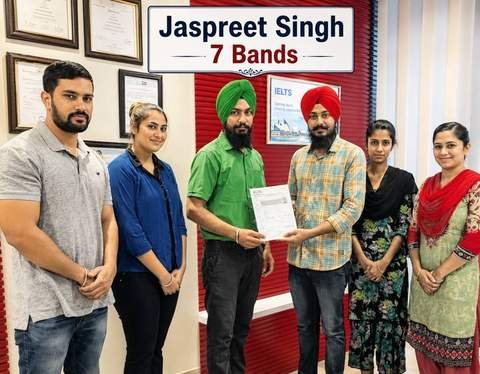
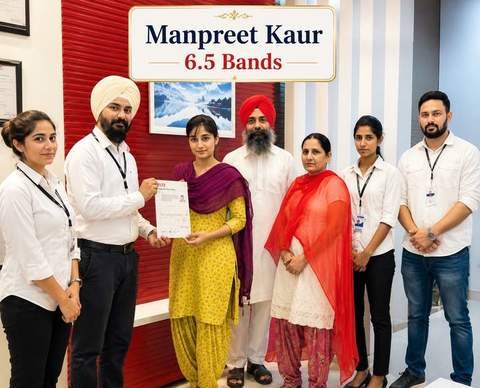
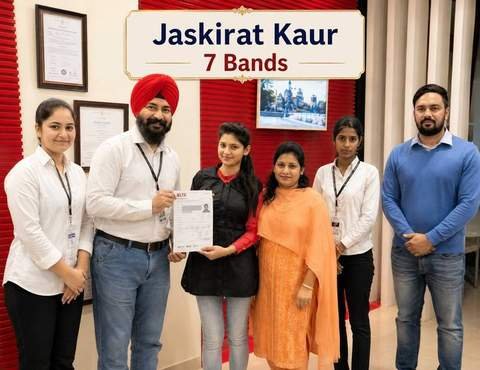
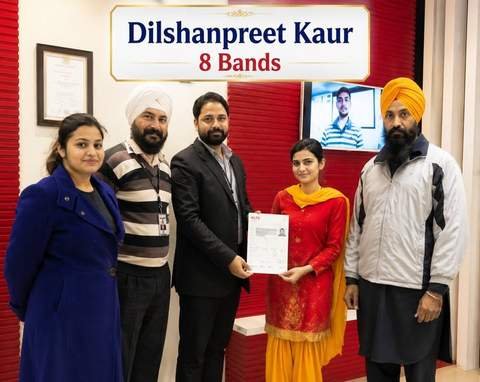
No stock photos, no invented scores β€” every certificate, trophy and test report below belongs to a real Kiwi student.

3D verified results3D verified results
πŸŽ“ 56 Verified Results πŸ“Š Bands 6.0 – 8.0 βœ… 100% Real Students, Zero Stock Photos
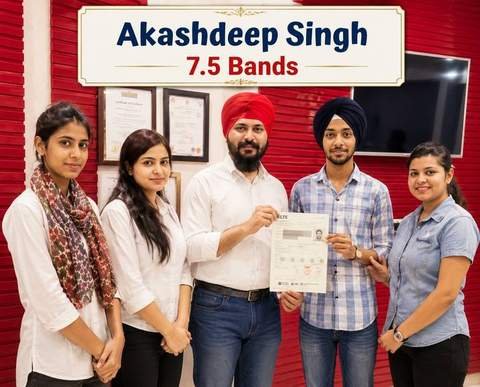
Akashdeep Singh β€” IELTS 7.5 Bands, Kiwi Language Academy
Akashdeep Singh 7.5
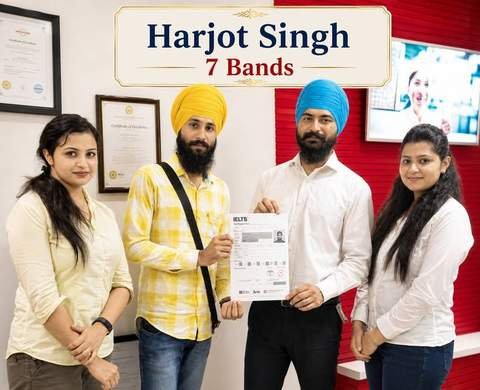
Harjot Singh β€” IELTS 7 Bands, Kiwi Language Academy
Harjot Singh 7
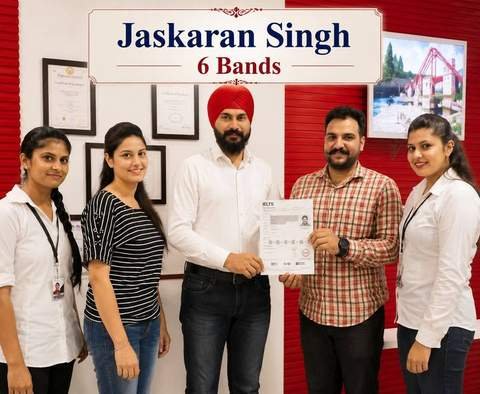
Jaskaran Singh β€” IELTS 6 Bands, Kiwi Language Academy
Jaskaran Singh 6
Jaspreet Singh β€” IELTS 7 Bands, Kiwi Language Academy
Jaspreet Singh 7
Manpreet Kaur β€” IELTS 6.5 Bands, Kiwi Language Academy
Manpreet Kaur 6.5
Jaskirat Kaur β€” IELTS 7 Bands, Kiwi Language Academy
Jaskirat Kaur 7
Dilshanpreet Kaur β€” IELTS 8 Bands, Kiwi Language Academy
Dilshanpreet Kaur 8
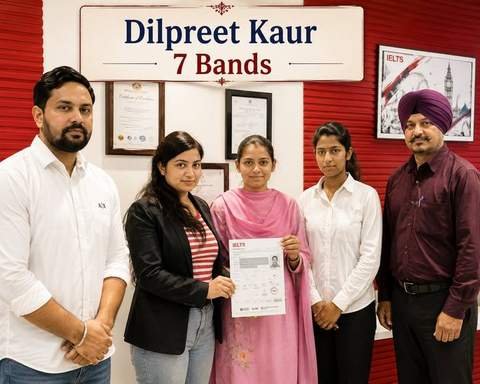
Dilpreet Kaur β€” IELTS 7 Bands, Kiwi Language Academy
Dilpreet Kaur 7
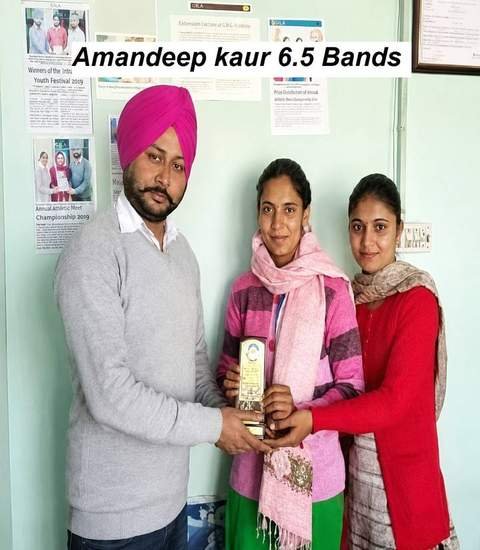
Amandeep Kaur β€” IELTS 6.5 Bands, Kiwi Language Academy
Amandeep Kaur 6.5
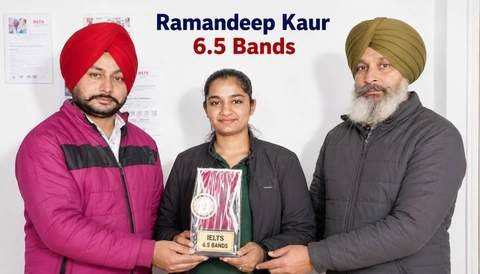
Ramandeep Kaur β€” IELTS 6.5 Bands, Kiwi Language Academy
Ramandeep Kaur 6.5
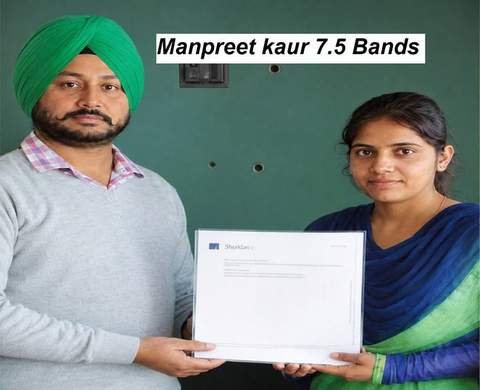
Manpreet Kaur β€” IELTS 7.5 Bands, Kiwi Language Academy
Manpreet Kaur 7.5
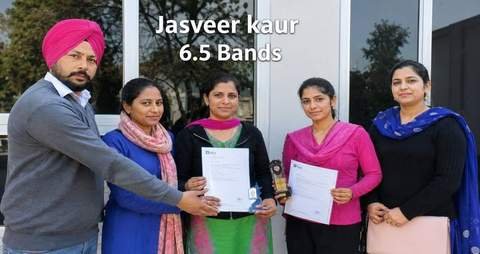
Jasveer Kaur β€” IELTS 6.5 Bands, Kiwi Language Academy
Jasveer Kaur 6.5
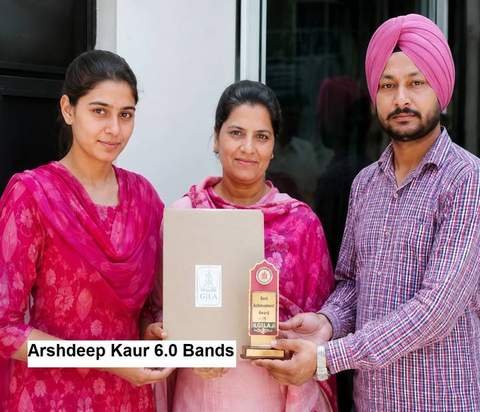
Arshdeep Kaur β€” IELTS 6.0 Bands, Kiwi Language Academy
Arshdeep Kaur 6
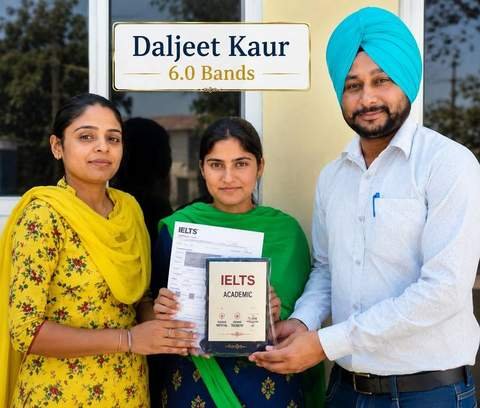
Daljeet Kaur β€” IELTS 6.0 Bands, Kiwi Language Academy
Daljeet Kaur 6
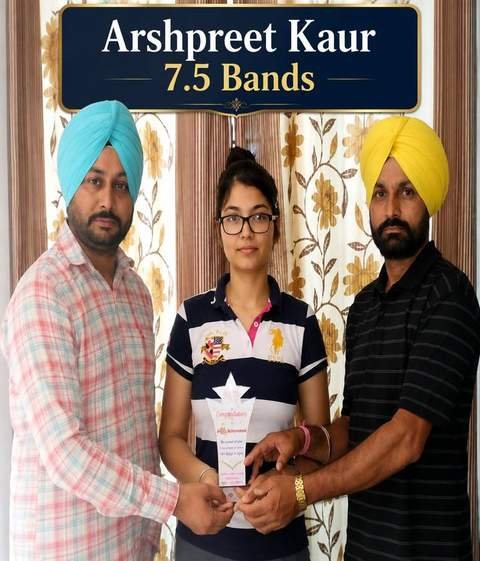
Arshpreet Kaur β€” IELTS 7.5 Bands, Kiwi Language Academy
Arshpreet Kaur 7.5
Gaganpreet β€” IELTS 6.5 Bands, Kiwi Language Academy
Gaganpreet 6.5
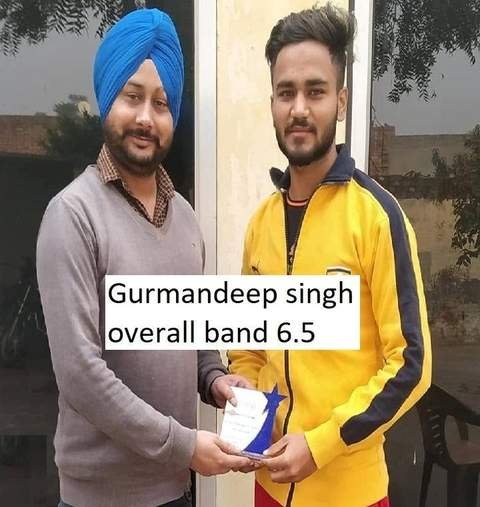
Gurmandeep Singh β€” Overall Band 6.5, Kiwi Language Academy
Gurmandeep Singh 6.5
Daljit Singh β€” IELTS 7.0 Bands, Kiwi Language Academy
Daljit Singh 7
Harpreet Singh β€” IELTS 6.5 Bands, Kiwi Language Academy
Harpreet Singh 6.5
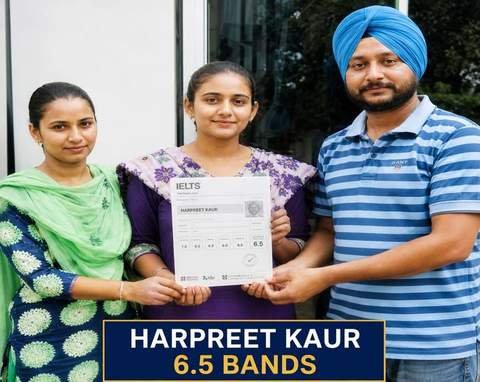
Harpreet Kaur β€” IELTS 6.5 Bands, Kiwi Language Academy
Harpreet Kaur 6.5
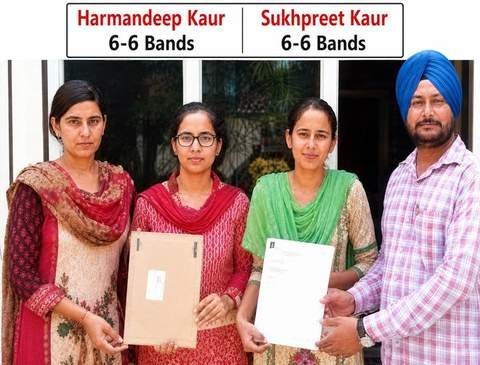
Harmandeep Kaur & Sukhpreet Kaur β€” IELTS 6-6 Bands, Kiwi Language Academy
Harmandeep Kaur & Sukhpreet Kaur 6
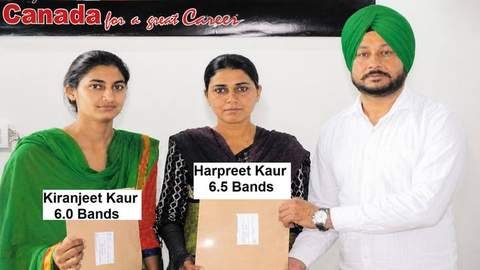
Kiranjeet Kaur & Harpreet Kaur β€” IELTS 6.0 & 6.5 Bands, Kiwi Language Academy
Kiranjeet Kaur & Harpreet Kaur 6/6.5
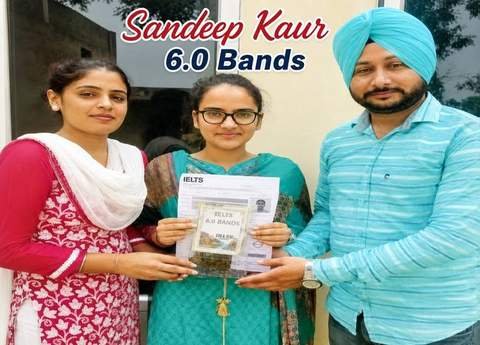
Sandeep Kaur β€” IELTS 6.0 Bands, Kiwi Language Academy
Sandeep Kaur 6
Sukhvir Kaur β€” IELTS 6.5 Bands, Kiwi Language Academy
Sukhvir Kaur 6.5
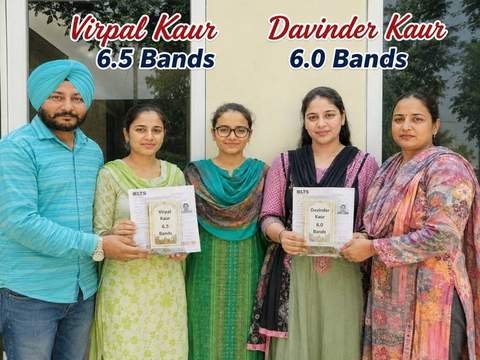
Virpal Kaur & Davinder Kaur β€” IELTS 6.5 & 6.0 Bands, Kiwi Language Academy
Virpal Kaur & Davinder Kaur 6.5/6
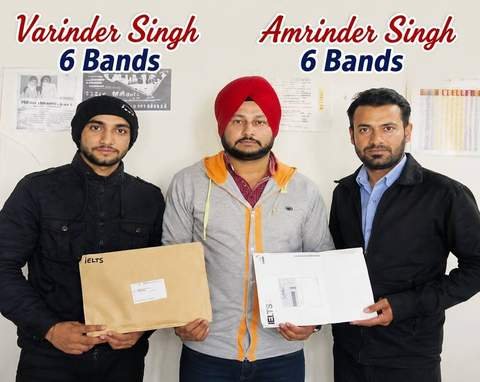
Varinder Singh & Amrinder Singh β€” IELTS 6 Bands, Kiwi Language Academy
Varinder Singh & Amrinder Singh 6
Jaskaran Kaur β€” IELTS 6 Bands, Kiwi Language Academy
Jaskaran Kaur 6
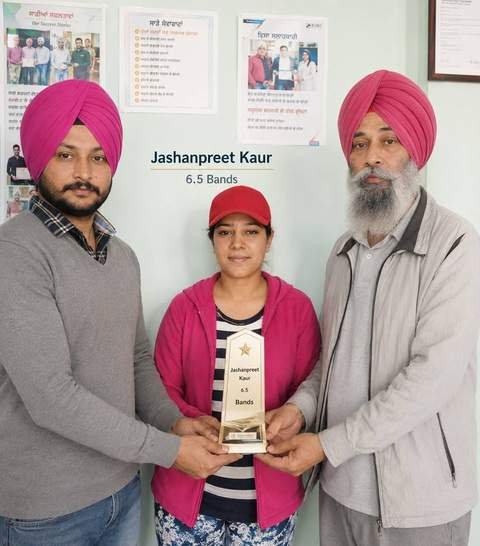
Jashanpreet Kaur β€” IELTS 6.5 Bands, Kiwi Language Academy
Jashanpreet Kaur 6.5
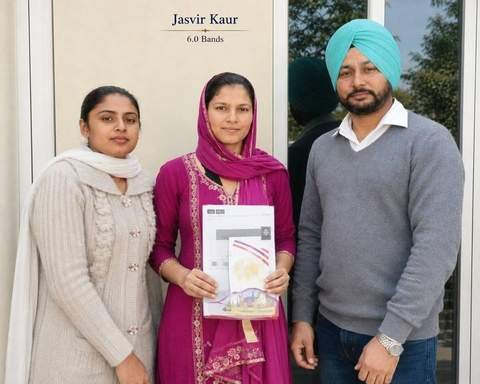
Jasvir Kaur β€” IELTS 6.0 Bands, Kiwi Language Academy
Jasvir Kaur 6
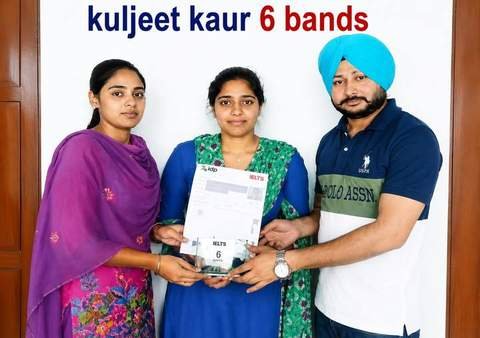
Kuljeet Kaur β€” IELTS 6 Bands, Kiwi Language Academy
Kuljeet Kaur 6
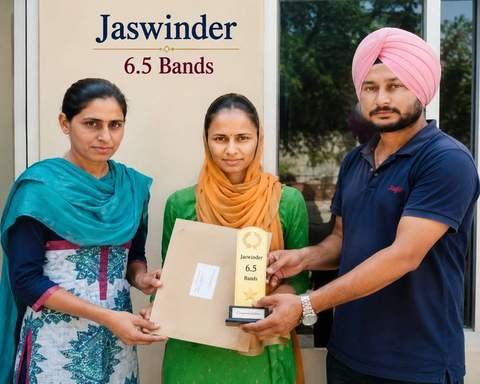
Jaswinder β€” IELTS 6.5 Bands, Kiwi Language Academy
Jaswinder 6.5
Lavkiran Kaur β€” IELTS 6.5 Bands, Kiwi Language Academy
Lavkiran Kaur 6.5
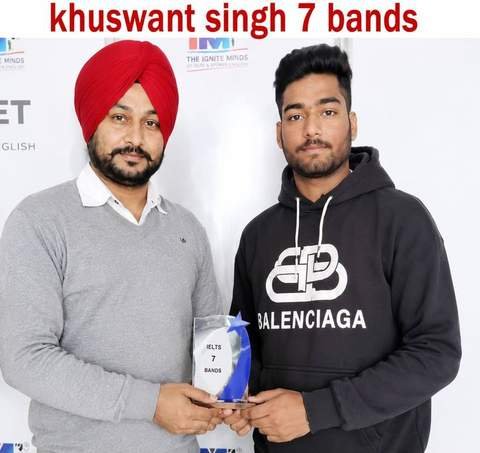
Khushwant Singh β€” IELTS 7 Bands, Kiwi Language Academy
Khushwant Singh 7
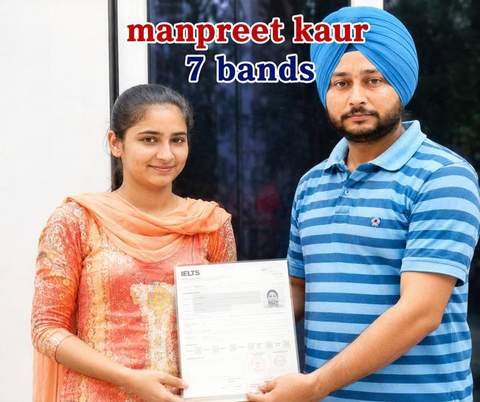
Manpreet Kaur β€” IELTS 7 Bands, Kiwi Language Academy
Manpreet Kaur 7
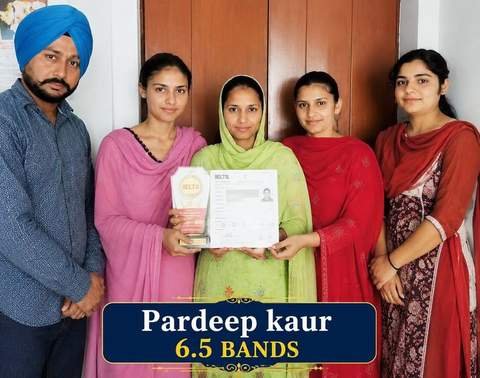
Pardeep Kaur β€” IELTS 6.5 Bands, Kiwi Language Academy
Pardeep Kaur 6.5
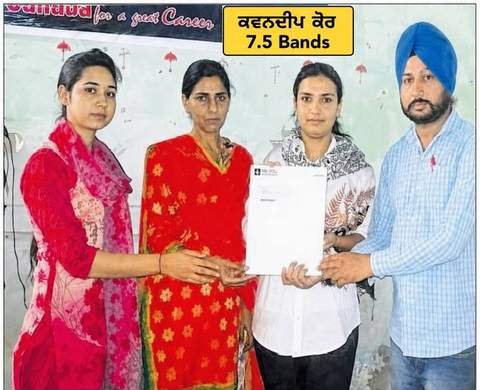
Kavandeep Kaur β€” IELTS 7.5 Bands, Kiwi Language Academy
Kavandeep Kaur 7.5
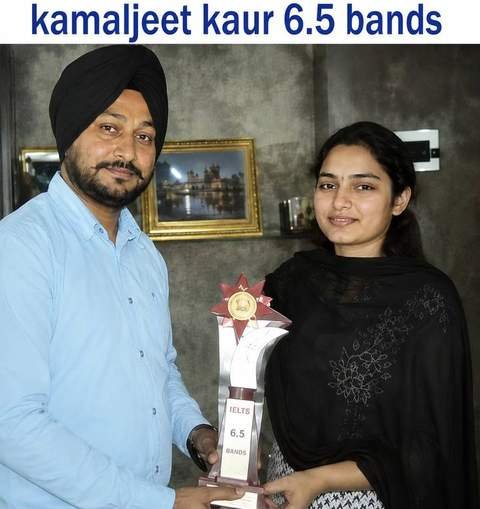
Kamaljeet Kaur β€” IELTS 6.5 Bands, Kiwi Language Academy
Kamaljeet Kaur 6.5
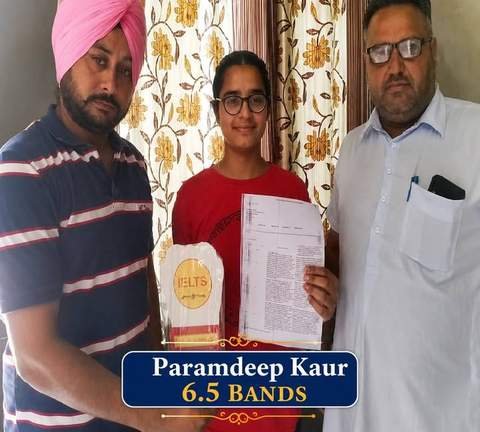
Paramdeep Kaur β€” IELTS 6.5 Bands, Kiwi Language Academy
Paramdeep Kaur 6.5
Kuldeep Kaur β€” IELTS 6.5 Bands, Kiwi Language Academy
Kuldeep Kaur 6.5
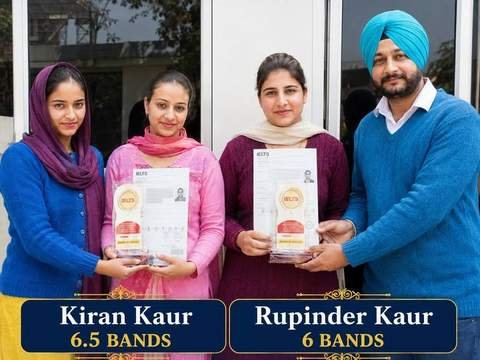
Kiran Kaur & Rupinder Kaur β€” IELTS 6.5 & 6 Bands, Kiwi Language Academy
Kiran Kaur & Rupinder Kaur 6.5/6
Navpreet Kaur β€” IELTS 6.5 Bands, Kiwi Language Academy
Navpreet Kaur 6.5
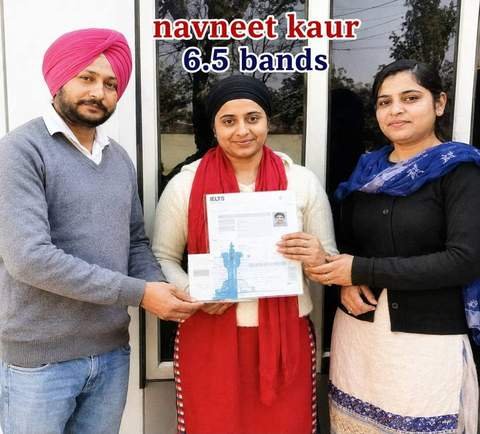
Navneet Kaur β€” IELTS 6.5 Bands, Kiwi Language Academy
Navneet Kaur 6.5
Manpreet Singh β€” IELTS 6 Bands, Kiwi Language Academy
Manpreet Singh 6
Manjinder Kaur β€” IELTS 6.5 Bands, Kiwi Language Academy
Manjinder Kaur 6.5
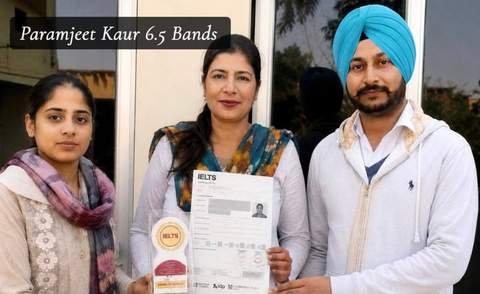
Paramjeet Kaur β€” IELTS 6.5 Bands, Kiwi Language Academy
Paramjeet Kaur 6.5
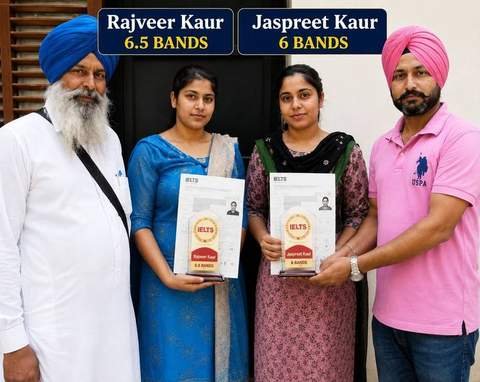
Rajveer Kaur & Jaspreet Kaur β€” IELTS 6.5 & 6 Bands, Kiwi Language Academy
Rajveer Kaur & Jaspreet Kaur 6.5/6
Manpreet Kaur β€” IELTS 7 Bands, Kiwi Language Academy
Manpreet Kaur 7
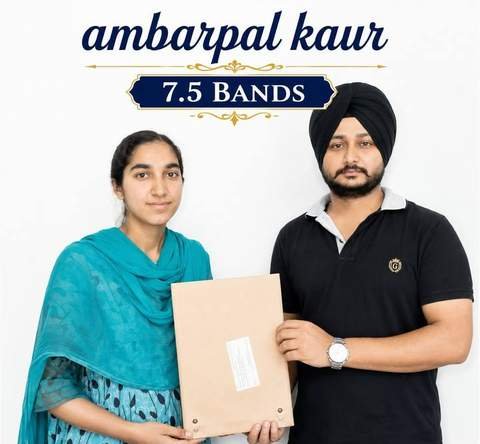
Ambarpal Kaur β€” IELTS 7.5 Bands, Kiwi Language Academy
Ambarpal Kaur 7.5
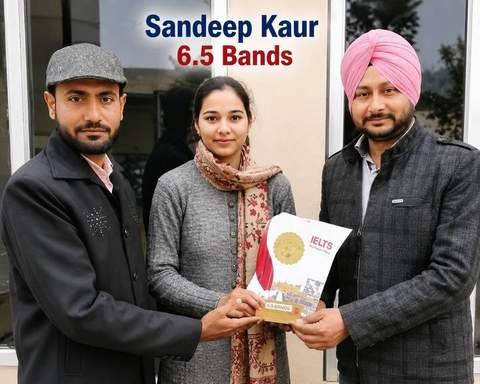
Sandeep Kaur β€” IELTS 6.5 Bands, Kiwi Language Academy
Sandeep Kaur 6.5
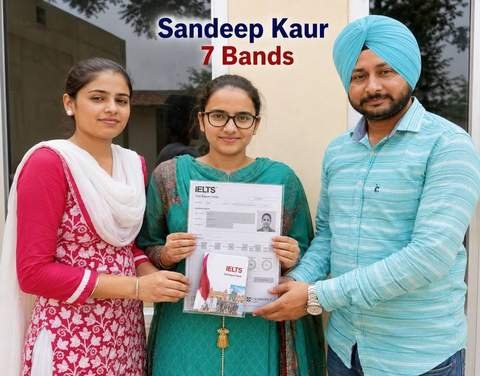
Sandeep Kaur β€” IELTS 7 Bands, Kiwi Language Academy
Sandeep Kaur 7
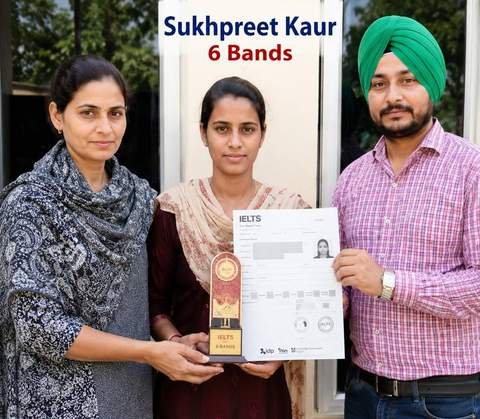
Sukhpreet Kaur β€” IELTS 6 Bands, Kiwi Language Academy
Sukhpreet Kaur 6
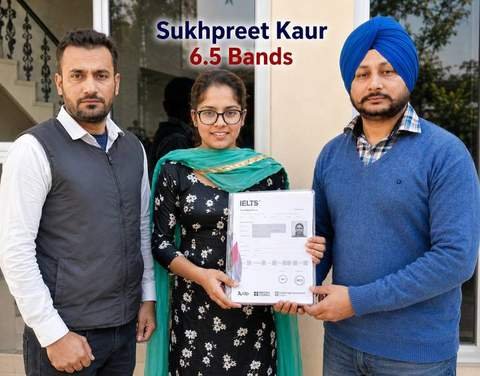
Sukhpreet Kaur β€” IELTS 6.5 Bands, Kiwi Language Academy
Sukhpreet Kaur 6.5
Harkirat Kaur β€” IELTS 6.5 Bands, Kiwi Language Academy
Harkirat Kaur 6.5
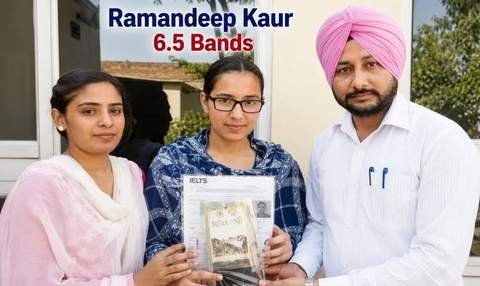
Ramandeep Kaur β€” IELTS 6.5 Bands, Kiwi Language Academy
Ramandeep Kaur 6.5
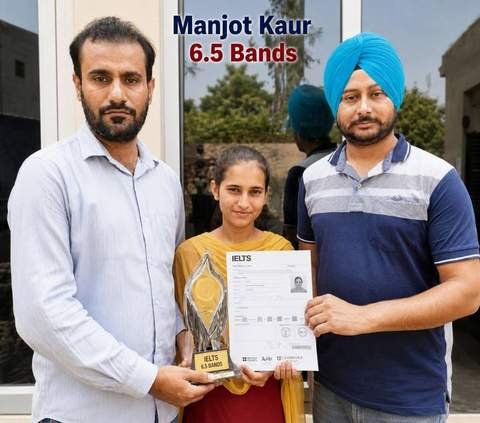
Manjot Kaur β€” IELTS 6.5 Bands, Kiwi Language Academy
Manjot Kaur 6.5
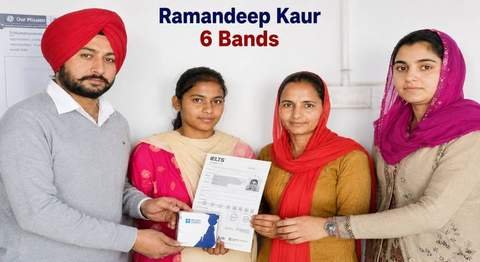
Ramandeep Kaur β€” IELTS 6 Bands, Kiwi Language Academy
Ramandeep Kaur 6

Your next chapter

One score away from Sydney, Auckland β€” and everywhere in between.

Every class, every mock test and every feedback session is pointed at one outcome: the score your Australian or New Zealand file is waiting for.

3D global destinations3D global destinations

From the Kiwi trainers' desk

The Kiwi Language Academy Blog

Straight, practical guidance on IELTS, PTE and German β€” written by the trainers who teach the classes, not by a content farm.

Kiwi Language Academy blog β€” articles and study tipsKiwi Blog
← Back to the blog

IELTS vs PTE: Which Test Should You Choose?

Almost every student who walks into Kiwi asks the same question in the first five minutes: "Should I do IELTS or PTE?" There is no universally correct answer β€” but there is a correct answer for you, and it usually comes down to three things: who is asking for the score, how you personally handle a speaking test, and how quickly you need the result.

Start with who is actually asking for the score

This is the only non-negotiable filter. Some universities, professional registration bodies and visa categories accept only IELTS, some accept only PTE, and many now accept both. Before you prepare for either test, check the exact requirement on the offer letter, the registration body's website, or the visa instructions for your specific pathway β€” not a general rule of thumb, because these accepted-test lists are updated by the receiving institution or authority and do change over time. If both are accepted, everything below can help you decide.

The core difference: a human examiner vs a computer

IELTS Speaking is a genuine conversation with a trained examiner sitting across from you. PTE Speaking is you, alone, talking into a microphone while a screen tells you when to start and stop. This single difference shapes almost everything else about how the two tests feel.

  • If you get nervous around people but are comfortable talking to a screen, PTE often feels less stressful.
  • If you think better out loud with a bit of back-and-forth and find talking to a blank screen unnatural, IELTS usually suits you better.
  • If your pronunciation is heavily accented but clearly understandable to a person, IELTS's human examiner can often follow you more easily than PTE's speech-recognition engine, which can be stricter about clarity and pacing.

Format and timing

IELTS is split across four separately timed sections (Listening, Reading, Writing, Speaking), with Speaking usually on a different day or slot. PTE runs all four skills in a single, longer sitting, and several question types blend two skills at once β€” for example, listening to a passage and then summarising it in writing. Some students find PTE's single-sitting format more efficient; others find four hours of continuous concentration far more tiring than IELTS's broken-up structure.

Scoring speed and predictability

PTE is scored entirely by AI, and results are typically available within about 48 hours. IELTS results usually take longer and, for the Speaking and Writing sections, are scored by trained human examiners against published band descriptors. If you are racing a visa or intake deadline, PTE's faster turnaround can matter β€” but AI scoring also means PTE rewards very specific technique (clear pacing, complete sentences, hitting the word count) more heavily than IELTS does.

Our honest recommendation

Do not choose based on which test "sounds easier" from a forum post. Sit a full mock test of each β€” we run both at Kiwi β€” and compare how you actually performed, not how you felt during it. Students are frequently surprised: the test that felt harder in the room is often the one they scored better on, because comfort and performance are not the same thing.

Not sure which test fits you? Book a free mock test of both IELTS and PTE with our trainers, and decide with real results instead of guesswork.

Call/WhatsApp 91154-20018
← Back to the blog

7 Mistakes That Are Capping Your IELTS Writing Score

Writing is where the most improvable points sit β€” and where students plateau the longest, usually for the same seven reasons. None of these require you to "know more English." They require you to write differently.

1. Answering the question you expected, not the one that was asked

Task 2 prompts are precise. A question asking you to "discuss both views and give your own opinion" is graded differently from one asking "to what extent do you agree or disagree." If your essay structure doesn't match the exact instruction, Task Response is capped regardless of how good your English is elsewhere.

2. A introduction that just repeats the question

Paraphrasing the prompt word-for-word and calling it an introduction wastes your opening paragraph. A strong introduction paraphrases the topic in your own words and then states your position or overview clearly β€” the examiner should know your stance by the end of paragraph one.

3. One idea per paragraph, under-explained

Many students list three or four ideas in a body paragraph instead of developing one idea fully with an explanation and a specific example. Band 7+ writing goes deep on fewer ideas rather than wide on many.

4. Memorised "linking phrases" used incorrectly

"Moreover," "furthermore," and "in addition to this" are not free points β€” used in the wrong place, they actively hurt your Coherence and Cohesion score because they signal a relationship between ideas that isn't actually there. Examiners are trained to notice this immediately.

5. Task 1 that describes every number on the chart

Task 1 is not a transcription exercise. It rewards identifying the overall trend, grouping the data logically, and reporting only the most significant figures β€” not listing every value on the graph in the order they appear.

6. Sentence variety that isn't actually there

Writing only simple sentences caps your Grammatical Range score, but so does forcing complex sentences that come out grammatically wrong. The fix is controlled variety: a mix of simple, compound and complex sentences that you can write accurately, practised until they're natural rather than risky.

7. Never timing your practice essays

An essay written over 40 relaxed minutes at home tells you almost nothing about your real exam performance. Task 2 must be practised in 40 minutes and Task 1 in 20, under the same pressure you'll face on test day β€” including planning time, because an unplanned essay under time pressure is where most of these seven mistakes actually happen.

The fix isn't more essays β€” it's feedback on the right essays

Writing twenty essays without detailed, band-referenced feedback usually just repeats the same mistakes twenty times. What actually moves the score is writing under real exam conditions and getting specific, written feedback against the official band descriptors after every single attempt.

Want your last essay marked against the real band descriptors, not a guess? Send it to us or book a writing assessment class.

Call/WhatsApp 91154-20018
← Back to the blog

How to Push Your IELTS Speaking From Band 6 to Band 7

Band 6 Speaking is "generally effective" communication with noticeable limitations. Band 7 is "flexible" use of language with only occasional inaccuracy. The gap between them is smaller than it feels β€” and it is almost never about vocabulary size. It's about four specific, trainable habits.

1. Extend answers without being asked to

Band 6 candidates answer the question and stop. Band 7 candidates answer the question, then add a reason, an example, or a related detail β€” without the examiner having to prompt "can you tell me more?" If your typical answer is one or two sentences long in Part 1, that alone is likely holding you at Band 6.

2. Self-correct instead of freezing

Every candidate makes small grammar slips live in a stressful room β€” that's expected and doesn't cap you at Band 6 on its own. What does is going silent, restarting the whole sentence, or visibly panicking. Band 7 speakers notice the slip, correct it smoothly mid-sentence ("she go β€” sorry, she goes to college nearby"), and keep moving. This is a specific skill you can practise: deliberately making small errors in practice and training yourself to self-correct without stopping.

3. Use topic-specific vocabulary, not just "good" vocabulary

Memorised advanced words dropped into unrelated answers are easy for examiners to spot and don't score well β€” Lexical Resource rewards vocabulary that's precise for the actual topic. If Part 2 asks about a memorable journey, "I was really apprehensive about the delay" scores better than forcing in a word like "ubiquitous" that doesn't fit naturally.

4. Control your pacing under pressure

Speaking too fast to sound fluent usually produces more errors and less clarity, which lowers both Fluency and Pronunciation scores. Band 7 speakers use natural pausing, stress the right words in a sentence, and let their intonation rise and fall β€” mock silence-free fluency is not the goal; controlled, clear delivery is.

Part 2 is where most of the gap actually shows up

The two-minute long turn exposes exactly which of the four habits above are missing, because there's no examiner question to lean on. The single highest-leverage practice you can do is recording your own Part 2 answers, listening back, and checking: did I extend past the minimum, did I self-correct instead of freezing, did I use precise topic vocabulary, and did my pacing stay controlled for the full two minutes?

What actually closes the gap

Reading vocabulary lists does not build these four habits β€” speaking practice under timed, examiner-style conditions does, with someone qualified telling you honestly which of the four is your weak point right now. That's the entire structure of our Speaking classes: real mock interviews, recorded, and marked against the same criteria the real examiner uses.

Get a free mock Speaking test and find out exactly which of these four habits is holding your band back.

Call/WhatsApp 91154-20018
← Back to the blog

How PTE Academic Scoring Actually Works

The single most important thing to understand about PTE Academic is this: you are not being scored by a person forming an overall impression of your English. You are being scored by an automated system checking your response against very specific, measurable criteria. That changes what "good preparation" looks like.

Two types of skills are being measured at once

PTE scores every response on two layers. Communicative skills are the four skills you'd expect β€” Speaking, Writing, Reading and Listening. Enabling skills run underneath almost every question type and include grammar, oral fluency, pronunciation, spelling, vocabulary, and written discourse. A single Speaking task, for example, contributes to your Speaking score and simultaneously to your oral fluency and pronunciation scores. This is why a strong PTE strategy targets enabling skills directly, not just "practising speaking" in general.

Why pacing and completeness matter more than they do in IELTS

Because scoring is automated, the system rewards responses that are complete, clearly paced, and follow the expected structure for that question type. In Read Aloud, for instance, pausing too long, restarting, or trailing off before the text ends can cost you on fluency even if every word was pronounced correctly. In Describe Image, running out of time before covering the key trend or comparison in the image costs content marks that a generous human examiner might have overlooked.

Repeated question types mean repeated technique

Unlike IELTS, where each Speaking test is a genuinely new conversation, PTE uses a fixed set of question formats β€” Read Aloud, Repeat Sentence, Describe Image, Re-tell Lecture, Summarize Written Text, and others β€” each with its own scoring pattern. This means specific templates and timing strategies for each question type genuinely work, because the AI is applying a consistent rubric every time. Learning the expected structure for each format is not "gaming the test" β€” it's understanding the rubric you're being marked against.

Silence and hesitation are penalised directly

The microphone starts recording automatically after a short beep, and the system measures response time and pause length as part of fluency scoring. Students who are used to IELTS's more forgiving, conversational pacing often lose marks on PTE simply from hesitating before starting, or from natural thinking pauses that a human examiner would never have penalised.

What this means for how you should practice

Practising PTE by "improving your English generally" is inefficient. Practising by drilling each question type's specific timing and structure, recording yourself, and comparing your pacing and completeness against the scoring criteria for that exact format is what actually moves the number β€” because that is precisely what the AI is checking.

Take a free PTE mock test with instant score-pattern feedback and see exactly which question types are costing you marks.

Call/WhatsApp 91154-20018
← Back to the blog

How Long Does It Really Take to Reach German B1?

B1 is the level most work visas, some study pathways and many professional registrations in German-speaking countries ask for β€” and it's also the level where students most often underestimate the time required, because A1 and A2 can feel deceptively fast.

The honest starting point: total instructional hours, not weeks

The Common European Framework (CEFR), which defines A1 through C2, is generally associated with an approximate number of guided instructional hours to reach each level from the one before β€” commonly cited as roughly 80–100 hours for A1, a further 80–100 for A2, and a further 100–120 or so for B1, though these ranges vary between course providers and by how intensive the schedule is. What actually matters for your planning is total hours of real, structured practice β€” not calendar weeks, because two students starting on the same day can reach B1 months apart depending on how consistently they show up and practice between classes.

Why A1 to A2 feels fast and A2 to B1 feels slow

A1 and A2 are built on a small, repeatable set of grammar patterns and everyday vocabulary β€” greetings, numbers, simple present tense, basic questions. Progress feels visible every week. B1 is where German's real grammatical complexity shows up: subordinate clauses, cases beyond nominative and accusative used naturally, and a much larger working vocabulary needed to discuss opinions and abstract topics, not just describe your day. This is the stage where students who were coasting on A2 momentum often stall β€” not because they got worse at German, but because B1 genuinely asks for a different kind of fluency.

What actually shortens the timeline

  • Daily exposure, even in small amounts β€” twenty minutes of German every day builds retention far better than one long session a week, because language learning depends on repetition spaced over time, not total hours crammed together.
  • Speaking from week one, not after "learning enough grammar first." Students who wait to speak until they feel ready almost always take longer, because speaking anxiety compounds the longer it's avoided.
  • Mixing structured classes with real input β€” German-language audio, shows, or conversation practice alongside formal classes accelerates listening comprehension in a way textbook exercises alone don't.
  • Testing at each level as you go, rather than only at the end. A1 and A2 mock exams catch specific gaps β€” case endings, word order β€” before they compound into bigger problems at B1.

Our honest advice if you're on a visa timeline

If a B1 certificate is required for a visa or job deadline, work backwards from that date with your course provider and build in a buffer for at least one exam attempt that isn't your final one β€” treat your first sitting as a real diagnostic, not a guaranteed pass. Students who plan for exactly one attempt, with no margin, are the ones most likely to be forced into a stressful last-minute resit.

Get a free German level assessment and an honest, personalised timeline to your B1 certificate.

Call/WhatsApp 91154-20018
← Back to the blog

Why Your Language Test Score Matters More Than You Think for Migration

We meet capable, experienced, qualified people every month who assumed their language test was the easy part of their migration file β€” a box to tick after the "real work" of qualifications, experience letters and paperwork. That assumption causes more delayed and rejected files than almost anything else we see.

Your score is usually a hard gate, not one factor among many

Most skilled migration and study pathways to Australia, New Zealand and similar destinations set a minimum language band as an eligibility requirement before points, qualifications or experience are even assessed. Miss the minimum, and stronger qualifications or more work experience elsewhere on your file typically cannot compensate β€” the application often isn't considered at all, or scores zero on that entire component. This is different from how most other parts of a migration file work, where a weaker area can sometimes be offset by a stronger one.

Higher bands frequently unlock more points, not just eligibility

In many points-based systems, scoring above the bare minimum language requirement adds meaningfully to your total points β€” sometimes as much as several years of extra work experience would. Because exact points allocations and thresholds are reviewed and changed periodically by the relevant immigration authorities, we always tell students: confirm the current points table for your specific visa subclass and occupation directly with the official source, or with a registered migration agent, before finalising your target band. Treat any number you read online β€” including ranges we might quote in conversation β€” as a starting point to verify, not a final figure to rely on.

Professional registration bodies often have their own, separate requirement

Nursing, engineering, teaching and many other regulated professions frequently require a specific language band for registration with the relevant professional body, which can be different from β€” and sometimes higher than β€” the language requirement for the visa itself. Meeting your visa's language threshold does not automatically mean you meet your registration body's threshold. Always check both separately for your specific profession and destination.

The certificate has an expiry date

Most language test results are only accepted for a limited period β€” commonly around two years from the test date, though this varies by test and by the authority accepting it. Students who test early "to get it out of the way" sometimes find their certificate has expired by the time the rest of their file is ready, forcing a costly and stressful retest under time pressure. Time your test to land within the valid window for when you'll actually submit, not as early as possible.

Our approach: treat the language score as the foundation, not an afterthought

Because so much of a migration file depends on clearing this one gate, we build our coaching around your actual target band for your actual pathway β€” not a generic "get a good score" approach. That means understanding early which band you need, for which purpose, and building your preparation timeline around your real deadline, with enough buffer for at least one retest if needed.

Not sure which band you actually need for your visa or registration pathway? Talk to our counsellors before you book your test.

Call/WhatsApp 91154-20018

Good to know

Frequently asked questions

3D quick answers3D quick answers
Do you teach online, offline, or both?

Both. Join live online from anywhere, or walk into our Moga centre near Bengali Sweets on GT Road β€” the coaching and materials are the same either way.

I work long shifts β€” can I still attend regularly?

Yes. We run early-morning, evening, weekend and rest-day batches built for shift workers, plus catch-up sessions if a shift runs long.

Which test should I start with?

It depends on your destination and goal β€” but your free assessment will confirm the best fit for your specific application, whether that's PTE, IELTS, German or another route entirely.

I haven't studied English in years β€” is that a problem?

Not at all. Our driver-focused and one-on-one batches are built to start from wherever you actually are, including absolute beginners.

How do I access my course materials after enrolling?

Once you enrol, your batch coordinator shares your login details for the course portal directly over WhatsApp β€” you'll set your own password there, and Kiwi never sees or stores it.

3D contact visual3D contact visual

Visit or write to us

Come in, or reach out first

One centre, one team β€” based in Moga, Punjab. We teach learners worldwide through live online classes, not physical branches abroad.

Kiwi Language Academy

Near Bengali Sweets, GT Road, Moga, Punjab – 142001, India

Call / WhatsApp

91154-20018 β€” Mon–Sat, 9 AM – 8 PM IST

Centre Hours

Mon–Sat, 9 AM – 8 PM IST

πŸ“

Map showing Bengali Sweets, GT Road, Moga, Punjab

πŸ“ Get Directions on Google Maps

Quick Enquiry

Tell us a bit about your goal β€” we'll get back to you to set up a free assessment.

Your data, handled honestly

Privacy Policy

Last updated: September 2026. Kiwi Language Academy respects your privacy β€” here is exactly what we collect, why, and how you stay in control of it.

What we collect

When you fill in the Quick Enquiry form, the "Enquire about this programme" popup on a course card, or reach out by phone, WhatsApp or email, we collect only what you give us directly: your full name, phone/WhatsApp number, the programme you're interested in, and any message you add. We do not ask for payment details, ID documents or passwords through this website.

How your enquiry reaches us

Submitting either form opens WhatsApp with your details already filled in, addressed to our team's number, 91154-20018 β€” the message is sent only once you tap Send inside WhatsApp yourself, the same way any WhatsApp chat works. If you use the email link instead, your message goes directly to inquiry@kiwilanaguageacademy.com. We do not automatically capture or store form entries on a server before that point β€” this site does not run its own backend.

How we use it

We use your name, number and programme interest solely to get back to you about a free assessment, batch timings, pricing or the enquiry you raised β€” by phone, WhatsApp or email. We do not sell, rent or share your contact details with any third party for marketing, and we do not use it for anything beyond responding to you and, if you enrol, coordinating your classes.

Cookies and tracking

This website does not use advertising cookies or third-party tracking scripts. Your browser may store basic technical preferences (like a cookie-consent choice) locally on your own device; nothing here identifies you to us until you choose to submit an enquiry.

How long we keep it

We keep enquiry details for as long as needed to follow up with you and, if you become a student, for the duration of your course plus normal record-keeping. If you ask us to delete your details and you are not an active or former student with an ongoing record requirement, we will do so.

Your rights

You can ask us at any time what information we hold about you, ask us to correct it, or ask us to delete it β€” just call or WhatsApp 91154-20018, or email inquiry@kiwilanaguageacademy.com. We will action reasonable requests promptly.

Contact us about privacy

Kiwi Language Academy, near Bengali Sweets, GT Road, Moga, Punjab – 142001, India. Phone/WhatsApp: 91154-20018. Email: inquiry@kiwilanaguageacademy.com.

One test. One step closer to your future abroad.

Learn Today. Lead Tomorrow. Anywhere.

πŸ“ž Call 91154-20018 Now Book Your Free Demo
or email inquiry@kiwilanaguageacademy.com
Chat on WhatsApp